A damp patch can tell you that something needs investigating. Understanding why it has appeared takes a closer look at the building, its materials and the conditions around it.
At Trace, our approach brings practical knowledge of traditional construction together with specialist surveying tools. Established methods of inspection and moisture assessment remain valuable, while thermal imaging, drone surveys and LiDAR provide additional ways to investigate and record a property.
Each technique answers a different question. Bringing the findings together helps us explain what is happening and recommend an appropriate response.
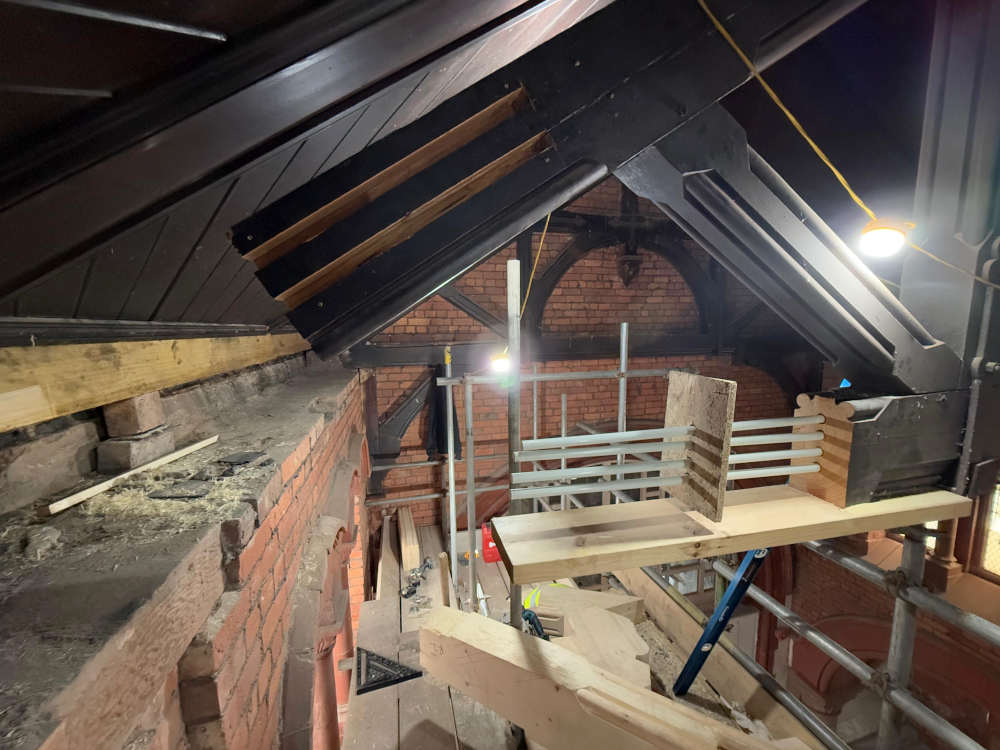
The foundation of an effective survey is an understanding of the structure itself. Traditional masonry and timber construction can behave differently from modern buildings, particularly in the way materials absorb and release moisture.
Trace’s survey approach combines visual assessment with testing, taking account of construction details and the limitations of each method. Moisture in a building does not automatically mean that extensive remedial work is needed. The task is to understand its cause, significance and effect on the materials. Trace’s damp survey approach
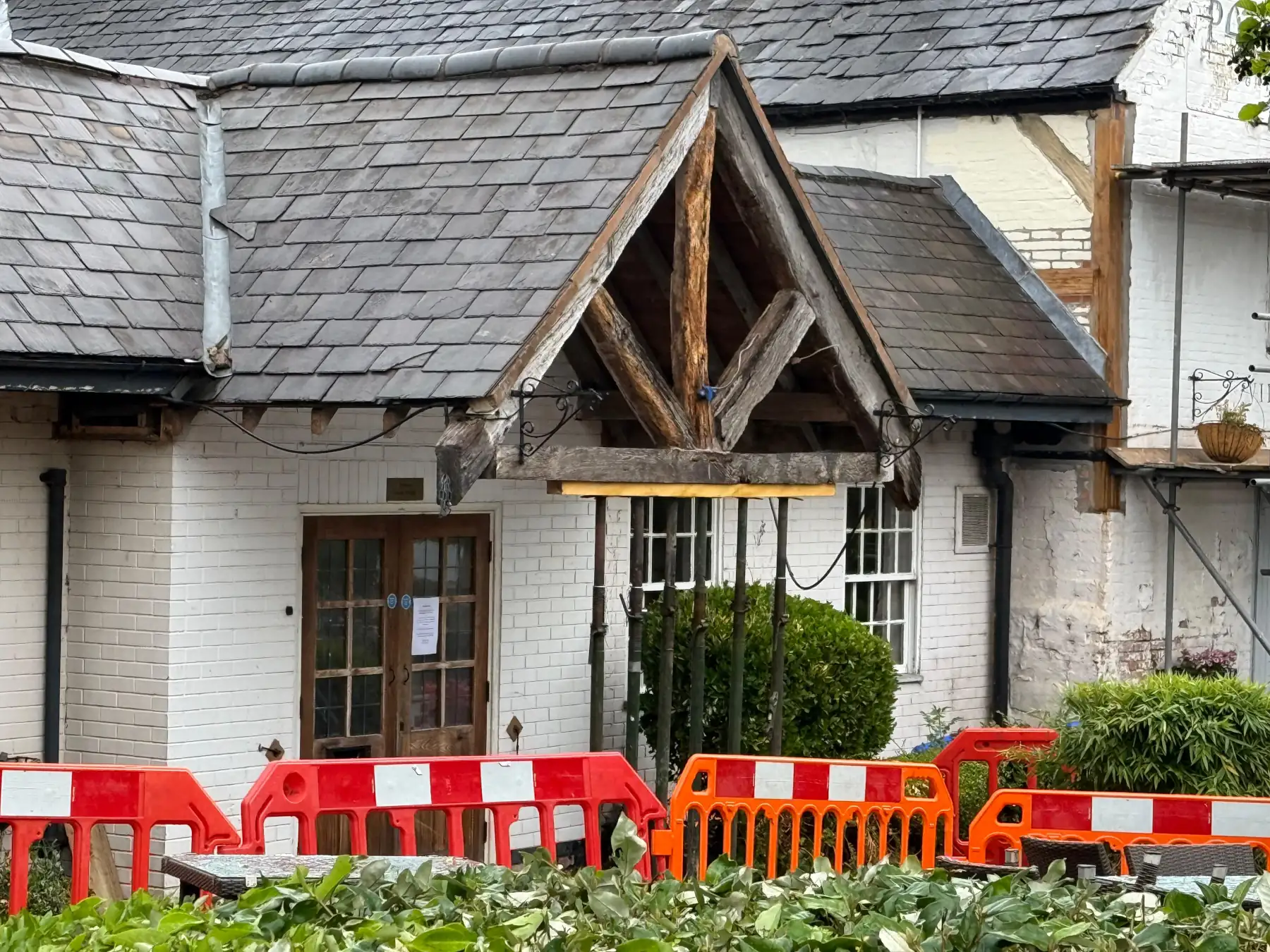
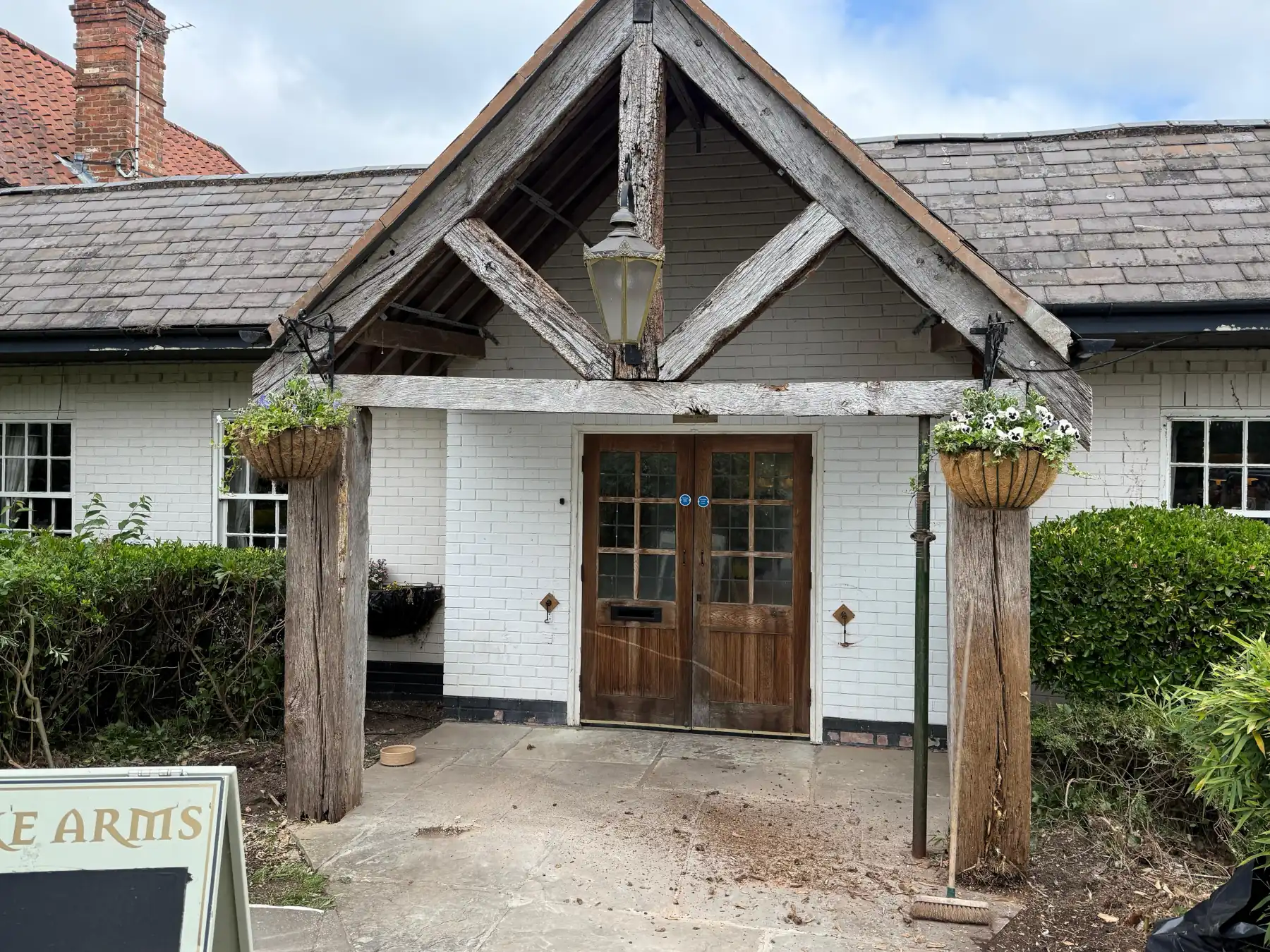
For heritage work, that understanding informs decisions about what can be retained and how repairs should be carried out. Our restoration work considers original materials, traditional construction and the requirements of the project’s conservation team. Our approach to heritage buildings
Handheld moisture meters are useful surveying tools when their readings are interpreted correctly.
In timber, an appropriately calibrated meter can help assess moisture content. On plaster and masonry, readings require greater caution: salts, metal and differences between materials can influence the result.
A high reading in one spot is therefore insufficient to diagnose the cause of damp. Comparing readings across the same material can reveal a pattern worth investigating. A surveyor can then consider whether that pattern relates to other evidence, such as an external defect.
This is why experience matters. The value lies in understanding what the reading represents and what further checks it justifies. James Hockey explores this in Trace’s article, Do damp meters work?
Some damp-looking patches are influenced by salts within the building fabric. Hygroscopic salts can absorb moisture from the surrounding air, affecting the appearance of a wall even after an earlier source of water ingress has been addressed.
Trace’s technical guidance discusses these issues in chimney breasts and former agricultural buildings, among other settings. Certain salts can also affect conductance meter readings. Understanding a building’s previous use and the materials present helps put those readings into context. Damp-related salts in buildings
Where the investigation requires further evidence, Trace’s published methods include calcium carbide testing, gravimetric testing of samples, sub-surface relative humidity testing of floor slabs and environmental data logging.
These methods serve different purposes. Sample testing investigates material moisture, while environmental monitoring records conditions over time. The appropriate combination depends on the question being investigated, the building and the survey scope. Moisture investigation methods
For sensitive historic fabric, the need for sample-based investigation should be considered carefully and the locations agreed as part of the survey.
Condensation assessment considers surface temperature alongside the temperature and relative humidity of the surrounding air.
Trace’s article on condensation testing explains how a surface temperature can be compared with the dew point: the temperature at which water vapour begins to condense. A surface close to that point may be at risk if conditions change.
Combined instruments can bring these measurements together, but readings still need care. Trace notes that humidity sensors need time to acclimatise and that instruments can vary. The result is evidence of conditions at the time of measurement, to be interpreted alongside the wider investigation. How Trace assesses condensation risk
Thermal imaging helps surveyors examine differences in surface temperature. These patterns can guide further investigation, but they do not independently establish a material’s moisture content or the cause of a defect.
Drone inspection provides another perspective, allowing Trace to examine roof coverings, chimneys and other external details that are difficult to view from the ground. Its value is in extending the visual inspection and providing a record of areas that may warrant closer attention. Trace’s surveying tools
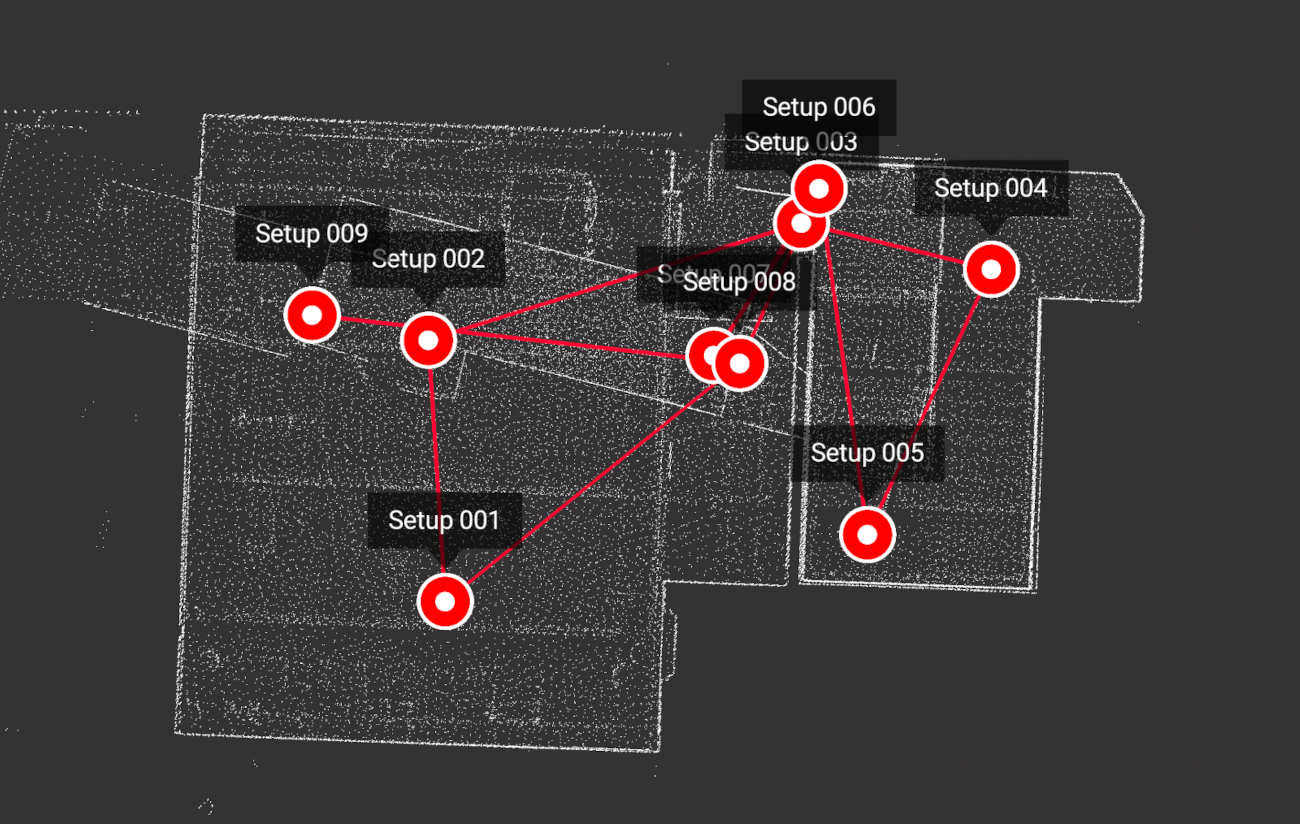
LiDAR adds a spatial record to the survey. Laser scanning captures measurements of visible surfaces to create a three-dimensional dataset, commonly described as a point cloud.
Traditional hand measurements and drawings remain useful. Scanning can add much denser information about complex shapes and the relationships between building elements. This is particularly relevant to older structures with irregular geometry. Historic England’s guidance describes how these records can support conservation assessment and analysis. 3D laser scanning for heritage
Trace confirms that it uses LiDAR to record building interiors and exteriors for reference and reporting, and can share this information with clients. LiDAR at Trace
The distinction is useful: LiDAR records geometry. It does not replace moisture testing, establish the source of damp or reveal everything concealed within a wall. Its contribution is a clearer record of the building in which the investigation takes place.
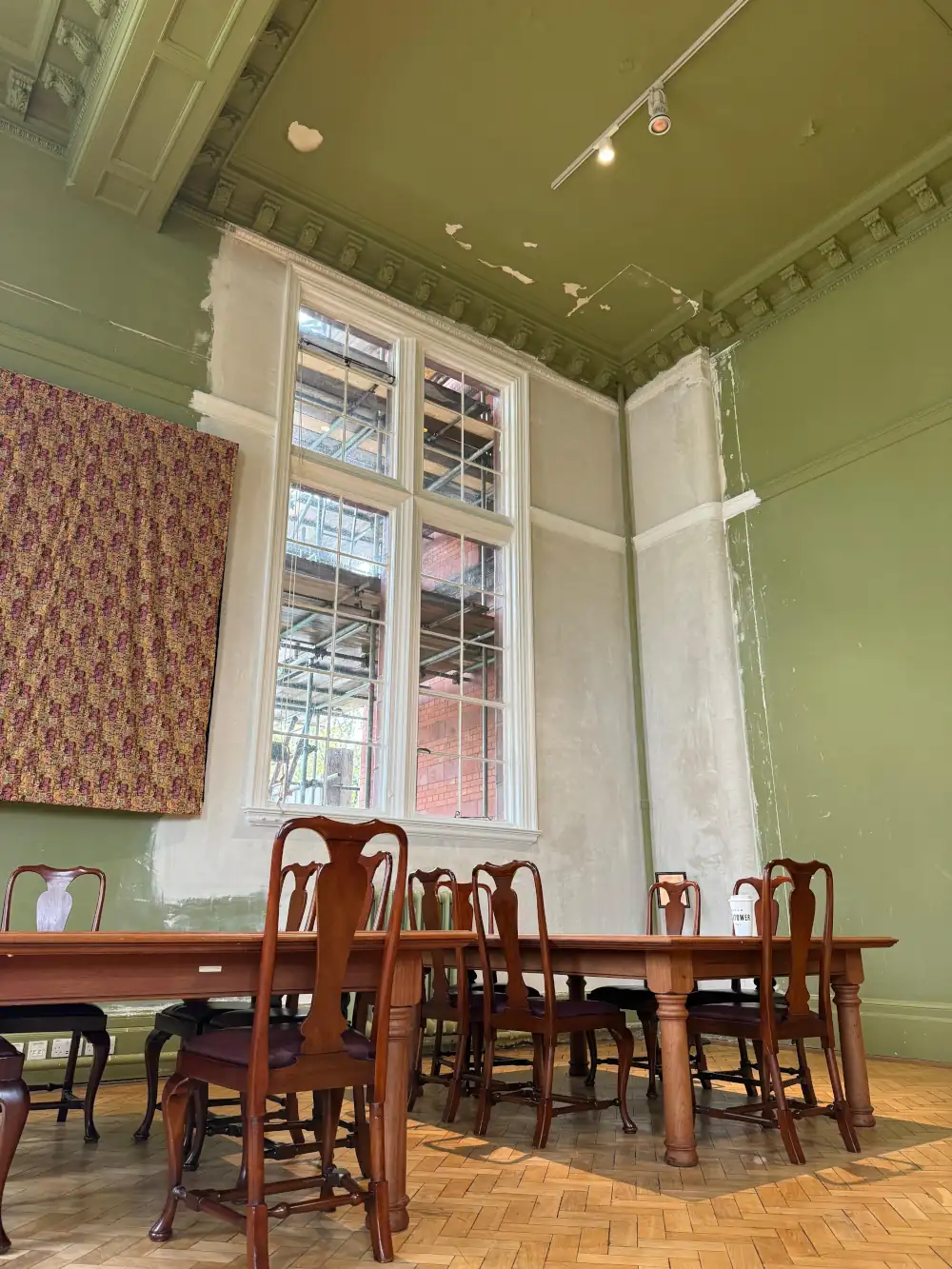
Trace’s investigation at Tate Liverpool demonstrates the value of combining techniques.
The team carried out more than 150 calcium carbide tests, supported by thermal imaging of internal masonry and drone inspection of the exterior. The investigation included substantial solid walls around 800mm thick.
Together, these methods provided different kinds of evidence about the building. The resulting report identified areas of persistent dampness and informed refurbishment decisions. This is a documented example of moisture testing, thermal imaging and drone inspection; the published case study does not identify LiDAR as part of that project. Read the Tate Liverpool case study
A useful survey gives the client an explanation they can act on. Trace describes its reporting approach as identifying the locations of problems, explaining the diagnosis and setting out proposed work, supported by annotated drawings where appropriate. Survey reporting at Trace
For owners and custodians of historic buildings, the objective is to make informed decisions about repairs while respecting the existing structure. Careful inspection, appropriate testing and clear records each contribute to that process.
Discuss your building with Trace
If you are investigating damp, timber deterioration or a proposed restoration project, contact Trace to discuss the property and the scope of assessment it may need.