Trace provides a complete service for the assessment and repair of structural timber affected by decay, insect attack or structural failure.
We begin by surveying the building and establishing the extent and cause of the damage. Where required, we carry out further investigation, testing and opening-up works before developing an appropriate repair strategy.
Repairs are then designed around the needs of the building, the client and, where applicable, the Conservation Officer, before being completed by our specialist team.
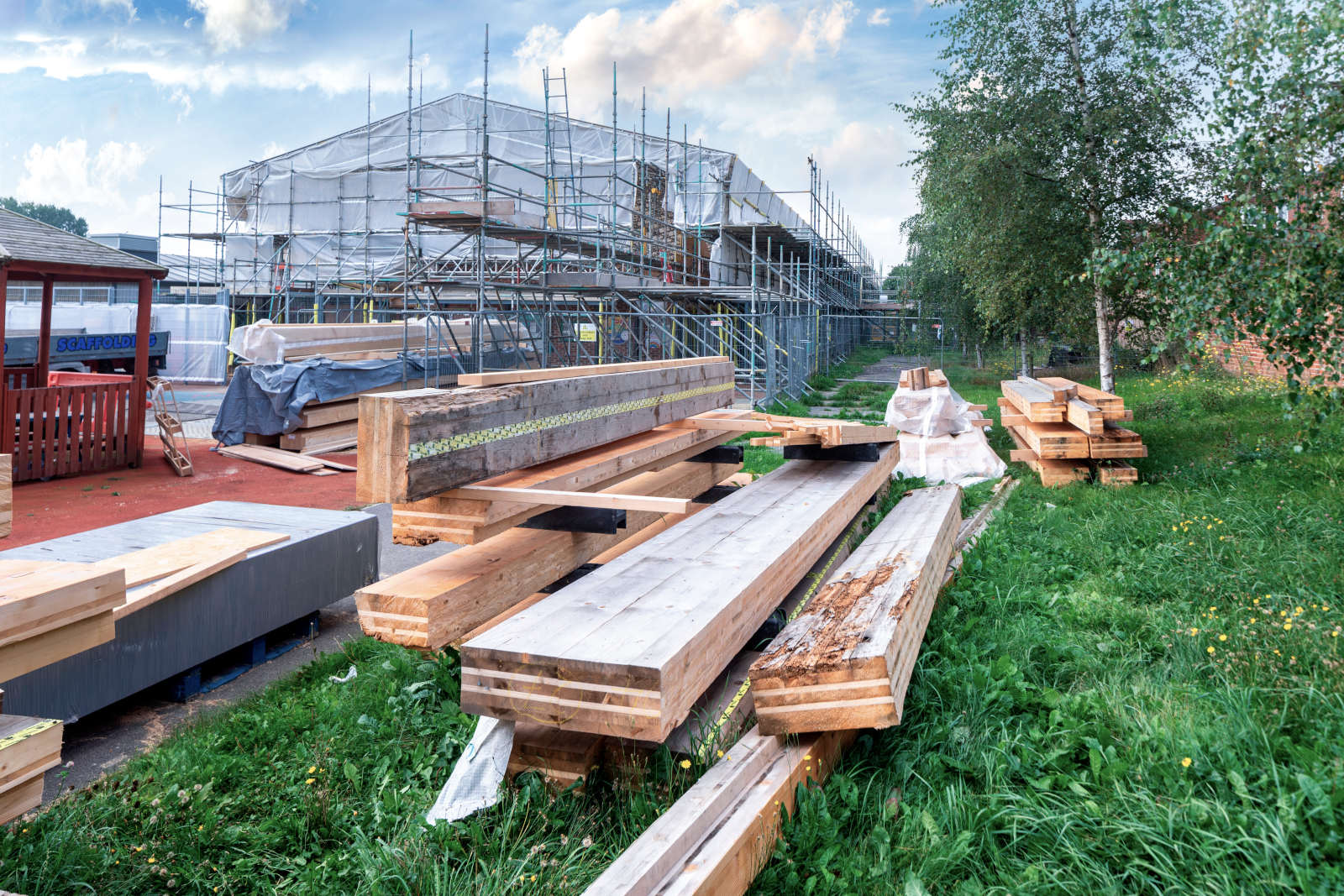
We work across historic and listed buildings as well as modern timber structures including CLT and glulam.
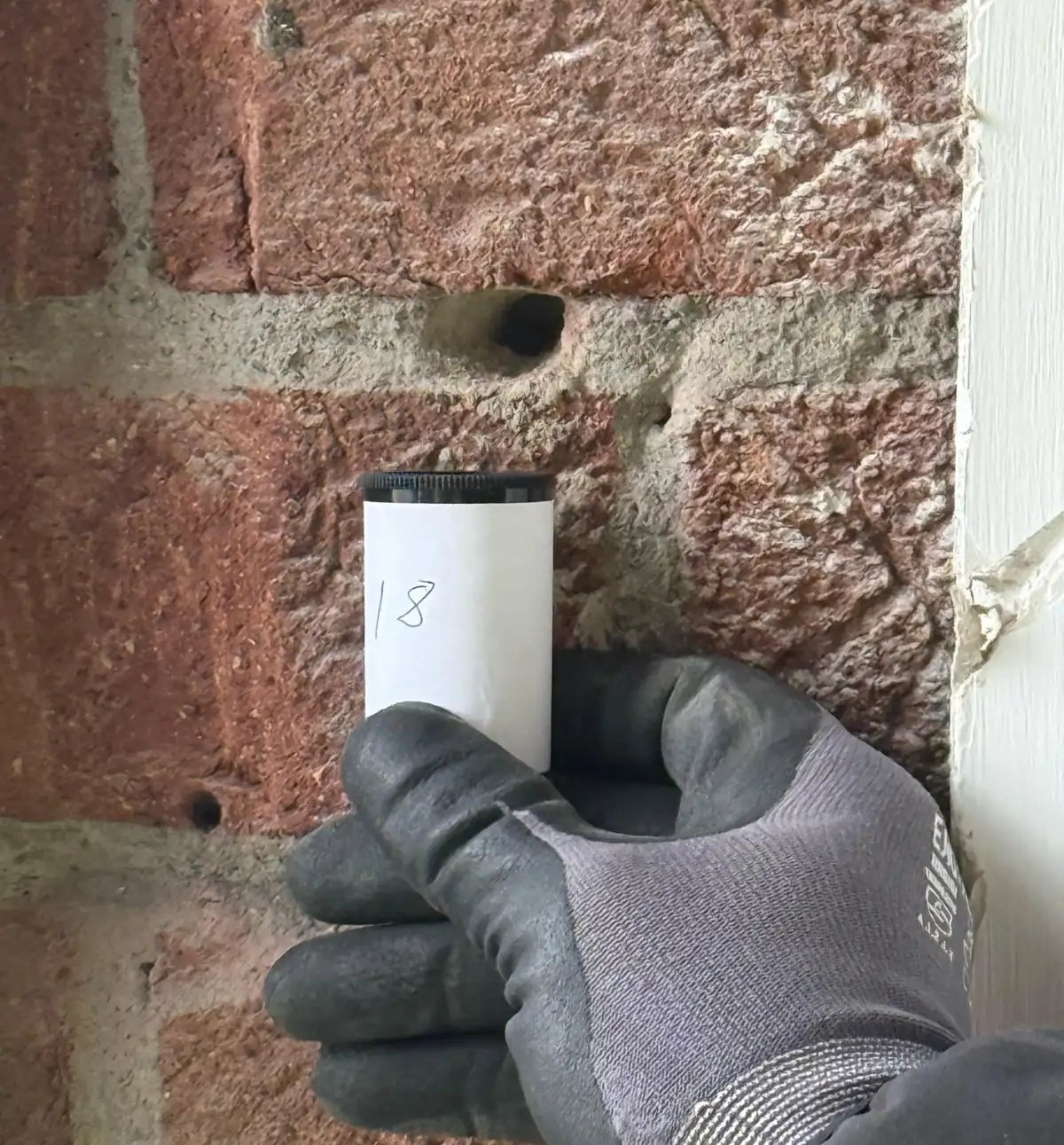
Timber decay is not always straightforward to assess. Initial inspections may be limited by finishes or inaccessible areas, so we identify where further exposure, opening-up works or testing may be required to establish the true condition of the structure before repairs are specified.
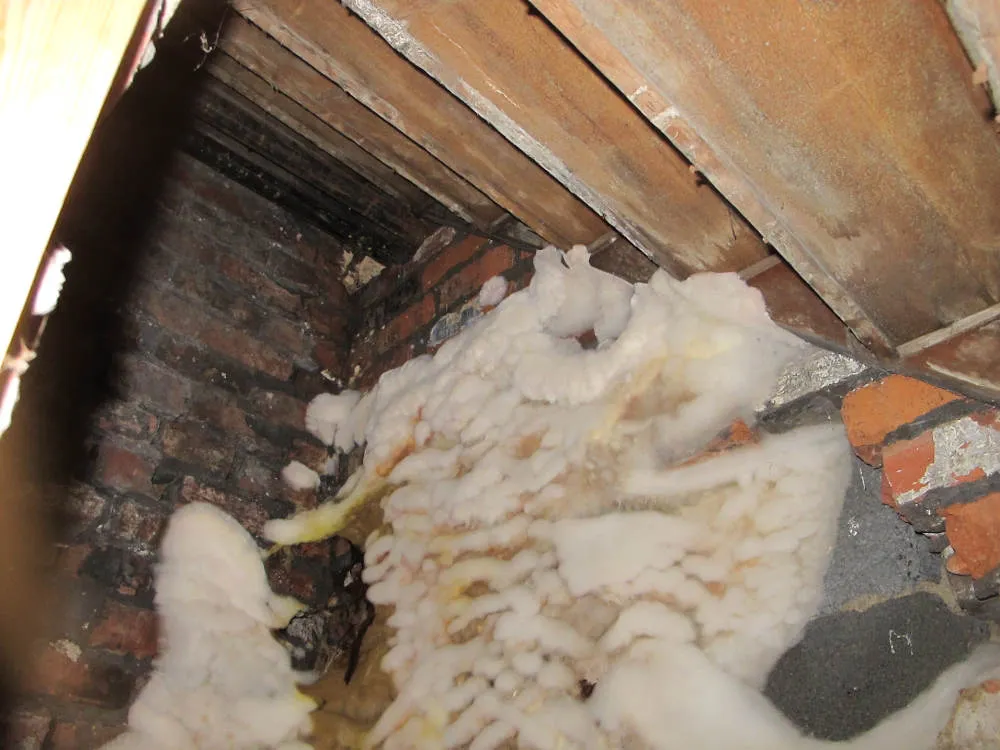
Correct diagnosis is essential. Evidence of wood-boring insects, fungal growth or historic decay does not automatically mean extensive treatment is required. We identify the cause and extent of the problem before recommending proportionate remedial work.
Trace combines consultancy expertise with practical repair experience. We can produce detailed repair specifications, drawings, schedules of work and associated costs, giving clients clear guidance on exactly what needs to be repaired and how the work should be undertaken.
Our timber services include visual structural inspections, timber exposure and testing, detailed drawings and schedules, structural calculations, in-house visual strength grading and the specification of conservation-led repairs.
Trace undertakes a wide range of structural timber repairs, selecting the most appropriate method for the condition, significance and construction of each building.
Where possible, our approach is to retain sound original timber rather than replace complete structural members unnecessarily.
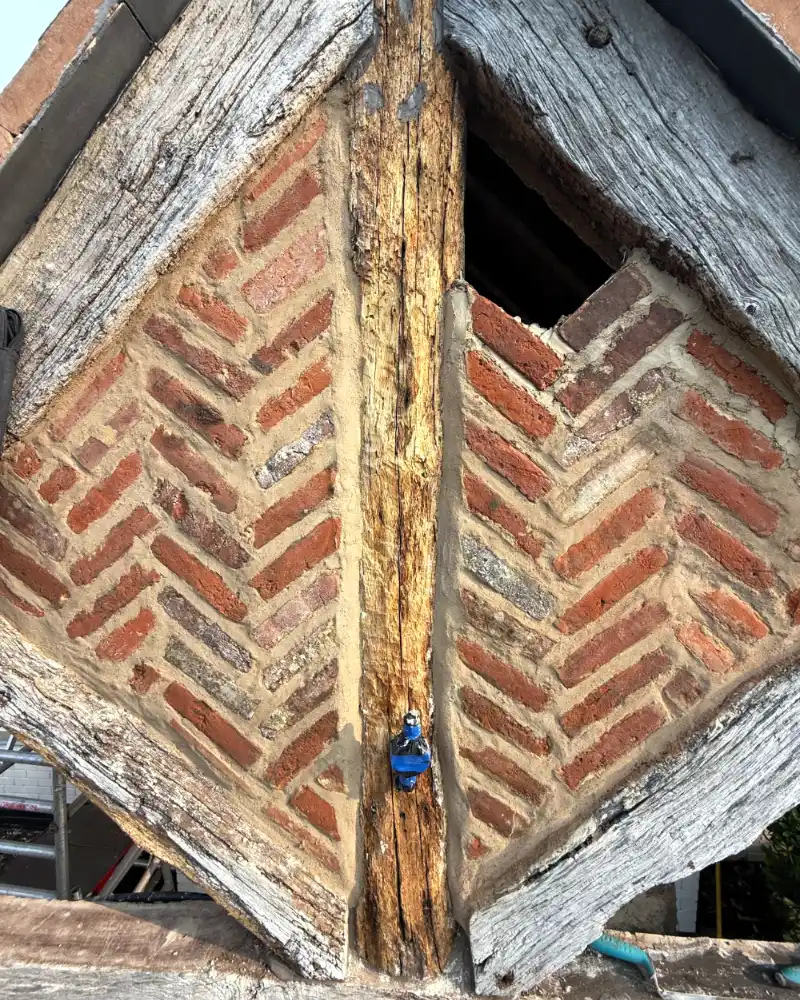
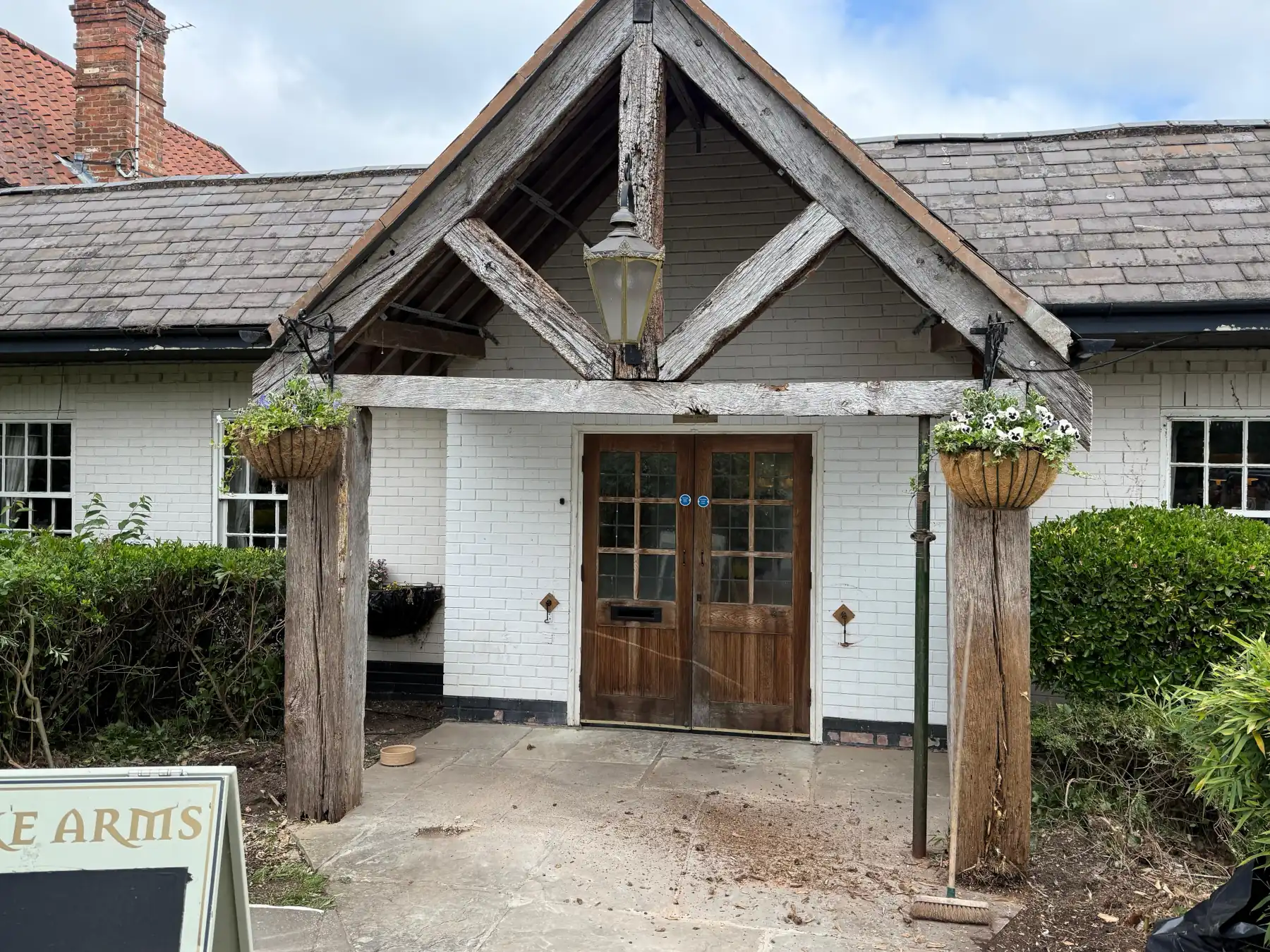
Trace has extensive experience repairing structural timber within historic, listed and architecturally significant buildings.
Historic timber structures rarely require wholesale replacement simply because localised decay is present.
Where structurally appropriate, carefully designed repairs can retain a significant proportion of the original timber while replacing or strengthening only the affected areas.
Depending on the building and the condition of the structure, repair methods may include:
The repair method is selected according to structural requirements, conservation principles and the significance of the surviving historic fabric.