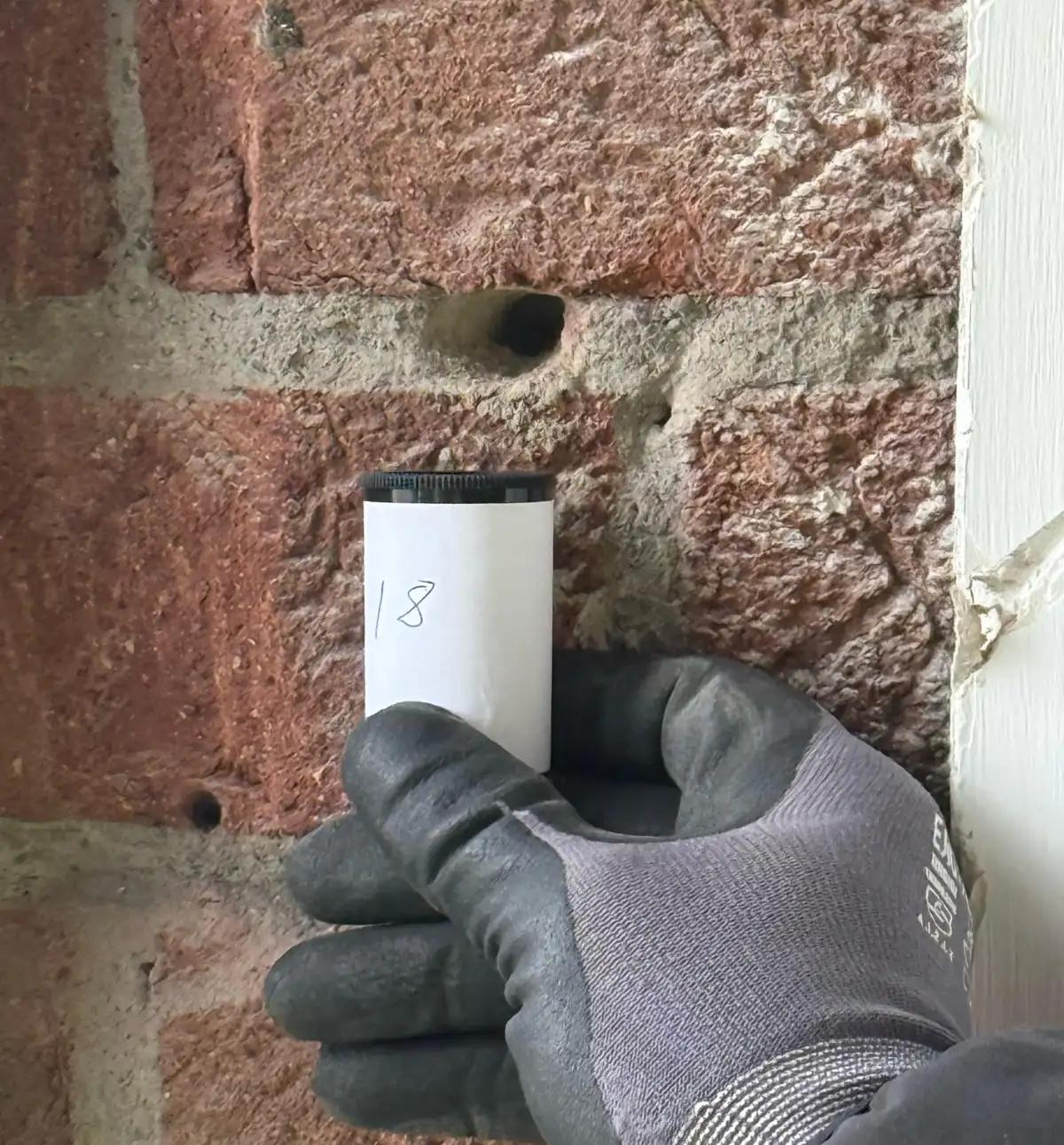
We begin every project with a comprehensive damp and moisture assessment, looking at sources of moisture, ventilation, and building performance.
Only then can we recommend the right solution, whether that’s lime plaster, a modern damp-proofing system, or a combination of both.
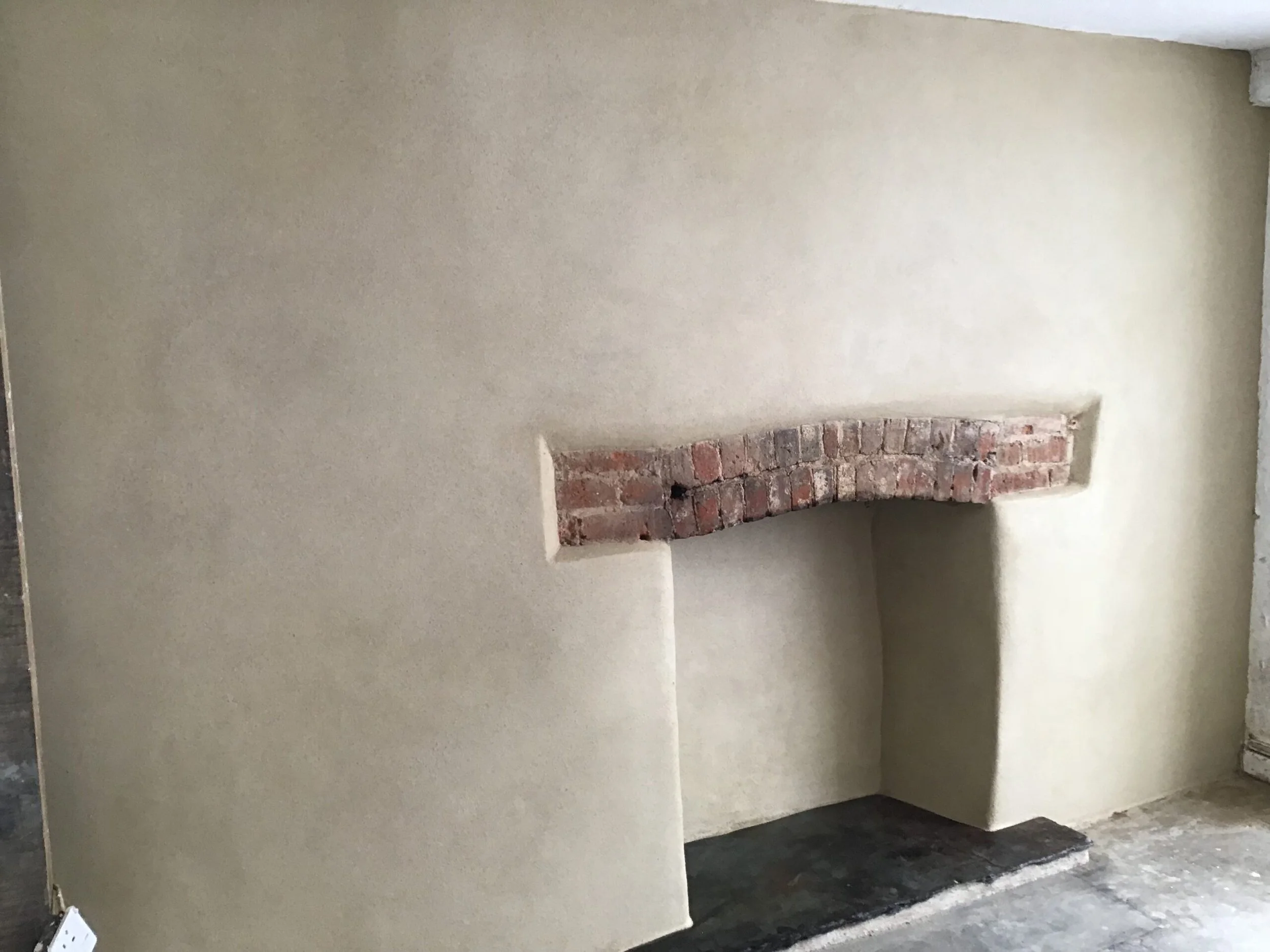
Lime allows moisture to evaporate naturally, reducing condensation and helping walls to dry.
It is gentle on traditional materials and won’t crack, trap water, or damage stone, brick, or timber structures.
Made from natural materials with low embodied energy, lime plaster is a sustainable choice for eco homes.
Unlike rigid gypsum, lime plaster is more able to move with your building, which reduces the risk of cracking over time.
It is important to appreciate that any system has its advantages and disadvantages, and lime plaster systems are no different. We would always seek to ensure that clients are well informed such that they understand some of the considerations include:
Unresolved Moisture Sources - rising or penetrating damp must be treated first.
High Salt Contamination - lime plaster can stain or deteriorate if salts persist. For example where animals have been housed (barn conversions) resulting in aggressive salts (urine), this can lead to failure of lime plaster systems.
Modern Alterations Limit Ventilation - double glazing, insulation, and concrete slabs reduce the walls’ ability to breathe.
Historical tolerance of visible dampness within buildings, likely differs from more modern desires for unblemished finishes. Lime actively manages moisture through evaporation and it is not a given that this will completely prevent visible indication of this potentially active and ongoing process., looking at sources of moisture, ventilation, and building performance.
Below‑Ground or Hydrostatic Pressure Areas - requires alternative solutions such as basement waterproofing. Only then can we recommend the right solution, whether that’s lime plaster, a modern damp-proofing system, or a combination of both.
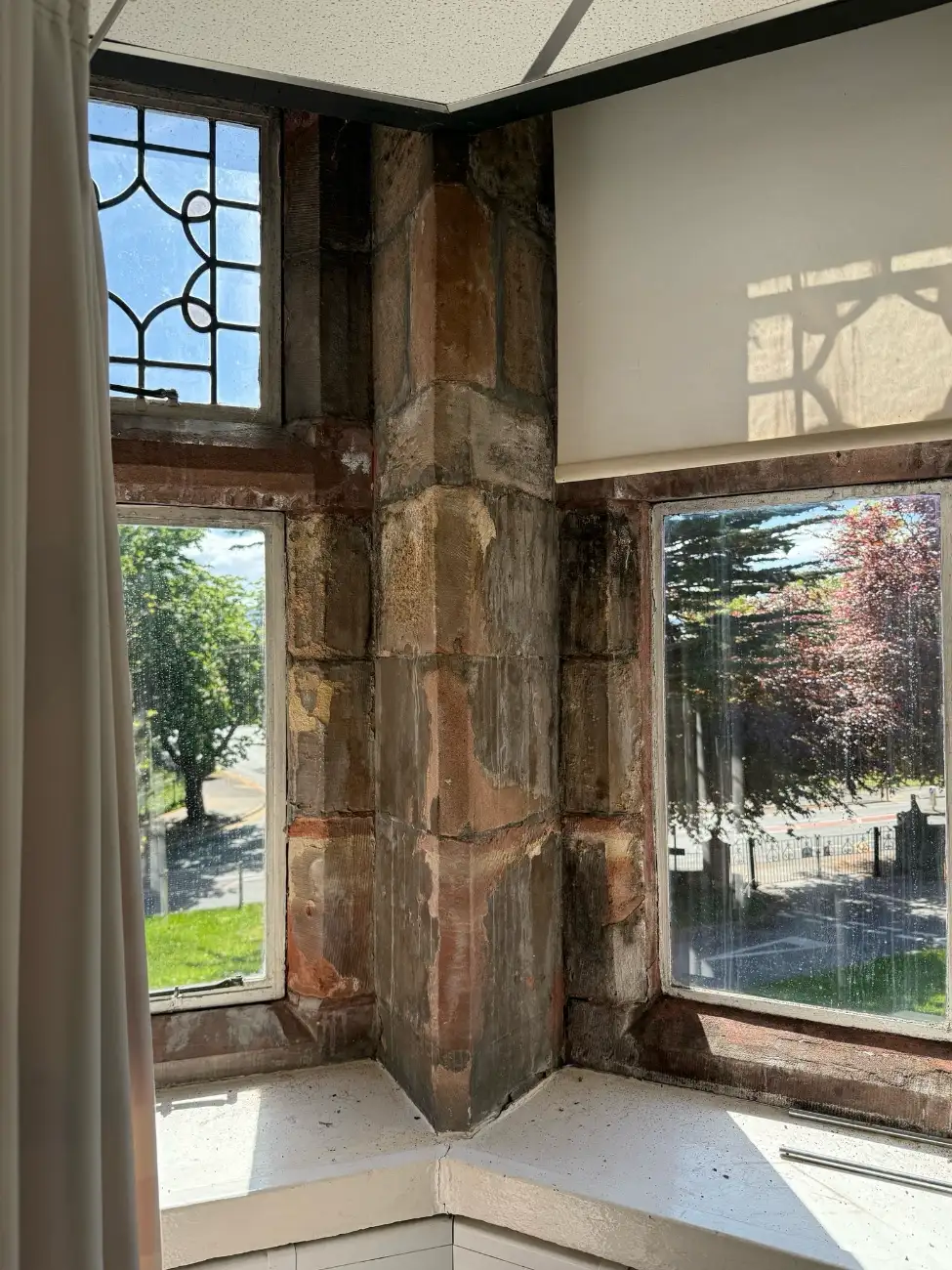
Identify what drives moisture rising, penetrating, condensation, or a combination.
Lime plaster, modern damp systems, or hybrid approaches specified based on evidence.
Fully itemised, transparent recommendations.
Installed by trained operatives with guidance on maintaining breathability.
Lorem ipsum dolor sit amet, consectetur adipiscing elit. Suspendisse varius enim in eros elementum tristique. Duis cursus, mi quis viverra ornare, eros dolor interdum nulla, ut commodo diam libero vitae erat. Aenean faucibus nibh et justo cursus id rutrum lorem imperdiet. Nunc ut sem vitae risus tristique posuere.