Fungal decay can cause serious damage to structural and decorative timber in buildings. It is often linked to dampness, water ingress, poor ventilation or hidden moisture problems.
Wood decaying fungi are naturally present in the environment. Their spores are all around us, but they only become a problem when the conditions are right.
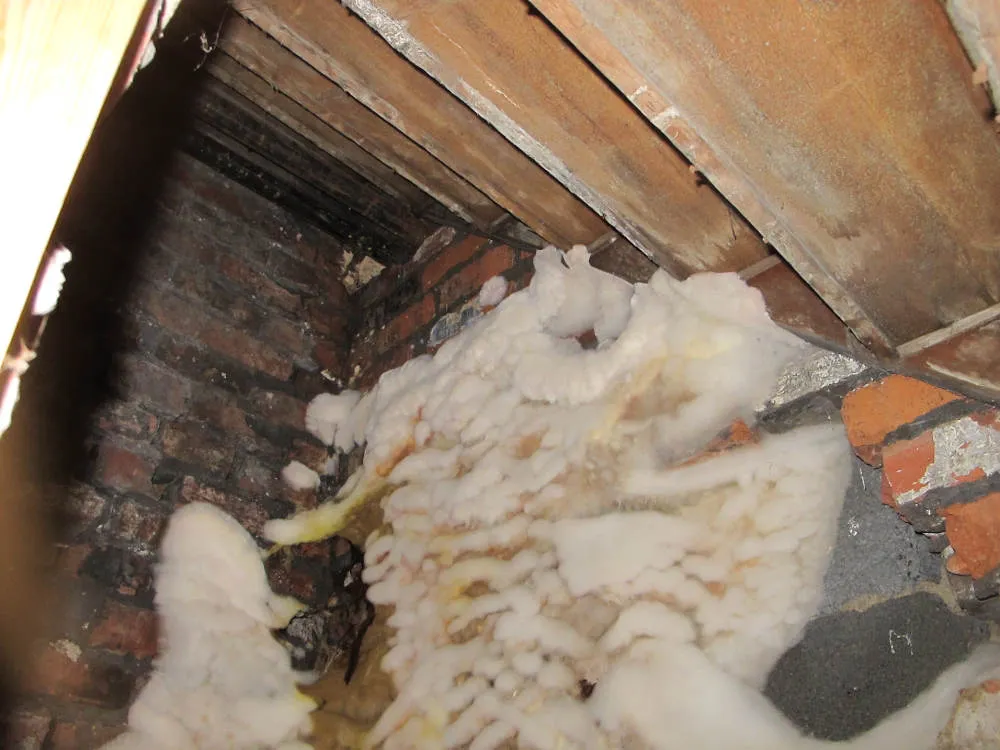
Dry rot is one of the most serious forms of timber decay. Its Latin name, Serpula lacrymans, means “serpent’s tears”, referring to the water droplets sometimes seen on the fungus. Dry rot can spread through masonry and hidden voids in search of timber, which makes accurate diagnosis essential. Treatment should always include identifying and controlling the source of moisture, not just treating visible fungal growth.
Wet rot refers to other forms of fungal decay that affect timber with high moisture levels. It is usually more localised than dry rot, but it can still cause significant structural damage if left untreated. Wet rot often occurs in areas affected by leaks, poor ventilation, defective gutters, penetrating damp, rising damp or long-term condensation.
Brown rot breaks down the cellulose in timber, often leaving it dry, brittle and cracked into a cuboidal pattern. It can seriously weaken timber and reduce its load-bearing capacity. Trace Heritage and Restoration identifies the extent of brown rot damage and provides suitable treatment, repair and moisture control measures.
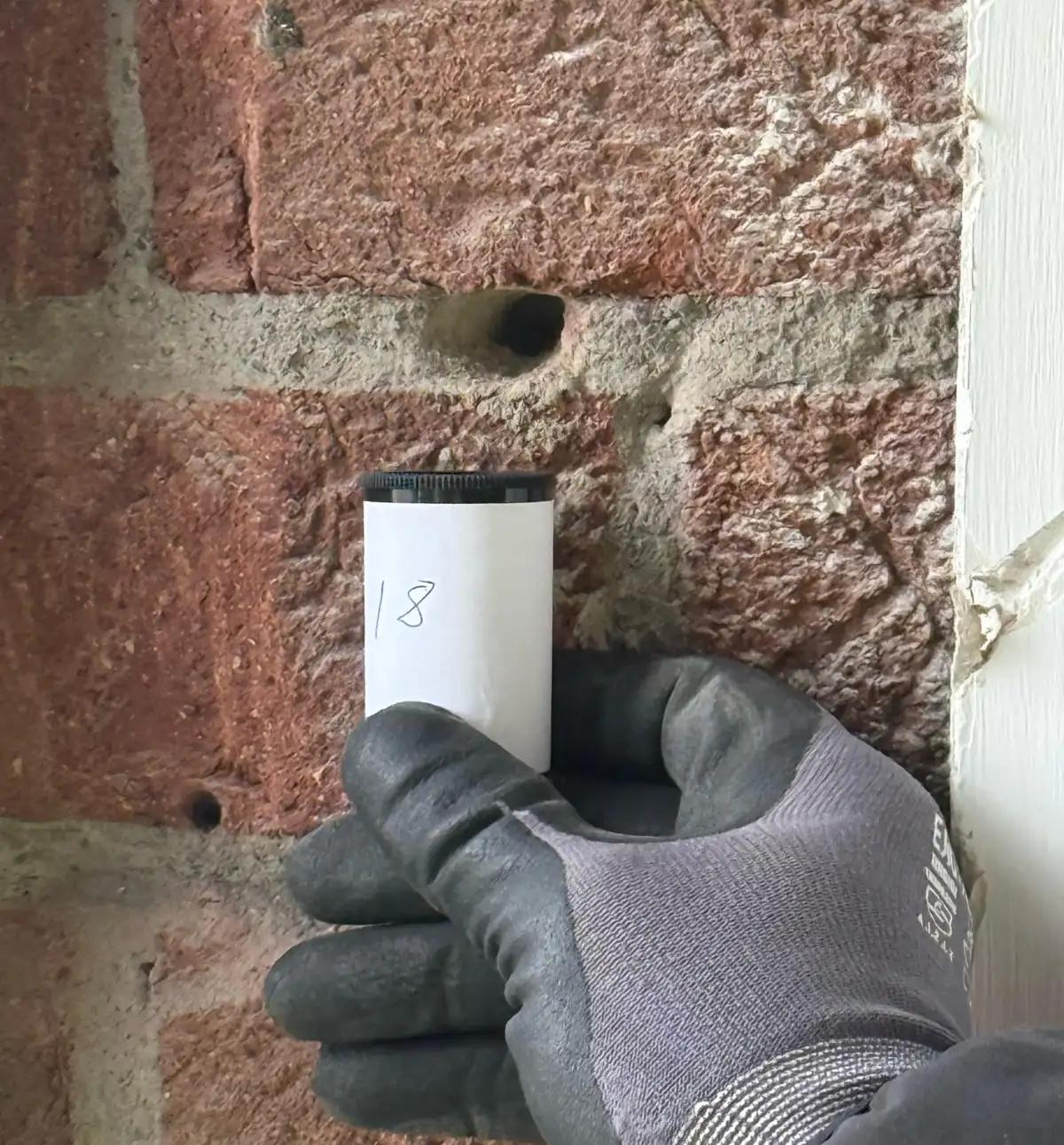
We inspect the affected timber, identify the likely form of decay and assess the extent of deterioration. Where finishes, floors, ceilings or other parts of the building conceal the structure, we may recommend carefully targeted opening-up works to understand the true extent of the problem.
Finding the source of moisture is essential. We investigate possible causes including leaks, defective rainwater goods, penetrating damp, condensation, inadequate ventilation and defects within the building fabric.
Once the cause and extent of the decay are understood, we develop an appropriate remedial strategy. This may include moisture-control measures, targeted fungicidal treatment and repairs to affected building fabric.
Where timber has suffered structural damage, Trace can design and undertake appropriate repairs. Where possible, particularly within listed and historic buildings, we aim to retain sound original timber and replace or reinforce only those areas that have lost their structural integrity.
The best way to reduce the risk of fungal decay returning is to address the conditions that allowed it to develop. This may involve improving ventilation, resolving leaks or dampness, repairing defects within the building envelope and establishing an appropriate maintenance regime.
If you have signs of dry rot, wet rot, fungal growth or damp-related timber damage, Trace Heritage & Restoration can investigate the cause and recommend an appropriate course of action.
When timber reaches a high enough moisture content, fungal spores can germinate and begin breaking down the wood. This is why dampness and timber decay are so closely connected.
For fungal growth to occur, timber usually needs:
Noticed soft timber, crumbling wood or signs of fungal growth? Trace can investigate the decay, establish its extent and identify the moisture allowing it to develop. Contact our team for advice on a survey and the treatment or repairs your building may need.